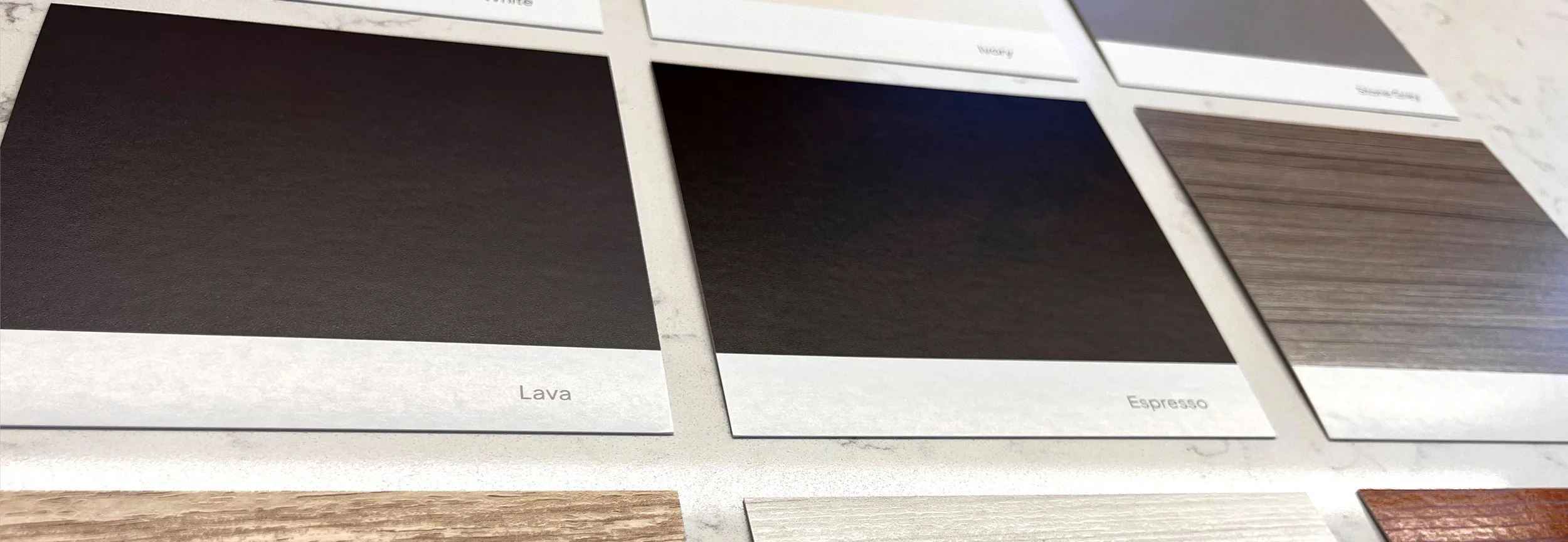
Easy Closets Sample
Kit Experience
Project Overview
EasyClosets offered free sample kits to help customers experience product quality, colors, and finishes before investing in a custom closet system. While the kits played an important role in building customer confidence, the business needed to better understand whether the investment was translating into purchases.
I led the research, strategy, and redesign of the EasyClosets Sample Kit experience, analyzing customer behavior, evaluating operational costs, redesigning the request experience, and creating a more intentional physical and digital customer journey.
The Challenge
A custom closet purchase requires customers to feel confident in their decisions around materials, finishes, and quality.
Sample kits were designed to reduce uncertainty, but the business identified a larger question:
How might we increase the number of sample kit recipients who ultimately become customers?
The goal was not simply to reduce the cost of the program. The goal was to understand how the experience could better support customer confidence and conversion.
Research & Discovery
I analyzed Salesforce lead data and existing sample kit performance to understand the relationship between sample requests and customer conversion. The research evaluated:
Sample kit request volume
Customer conversion behavior
Operational workflow
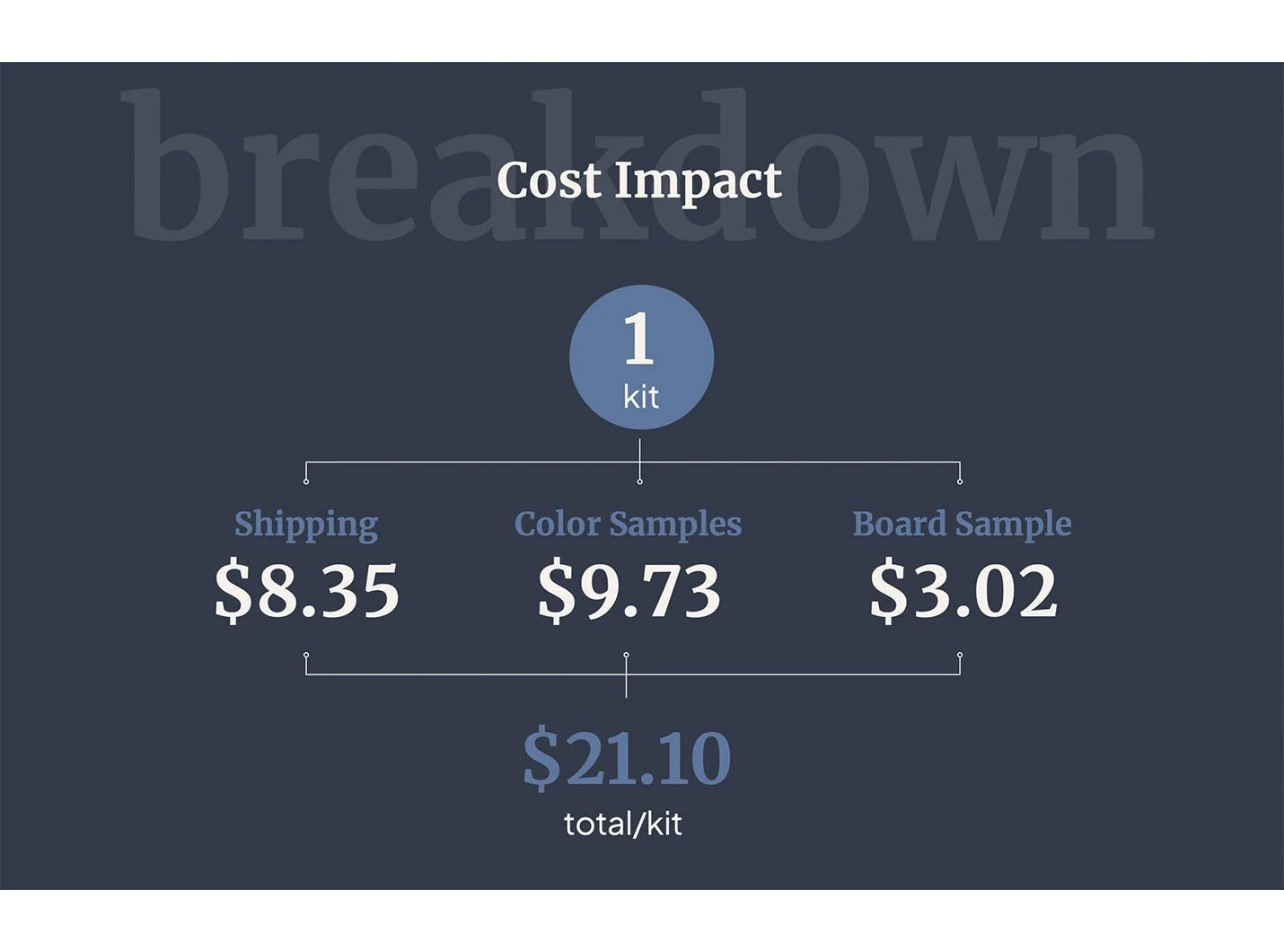
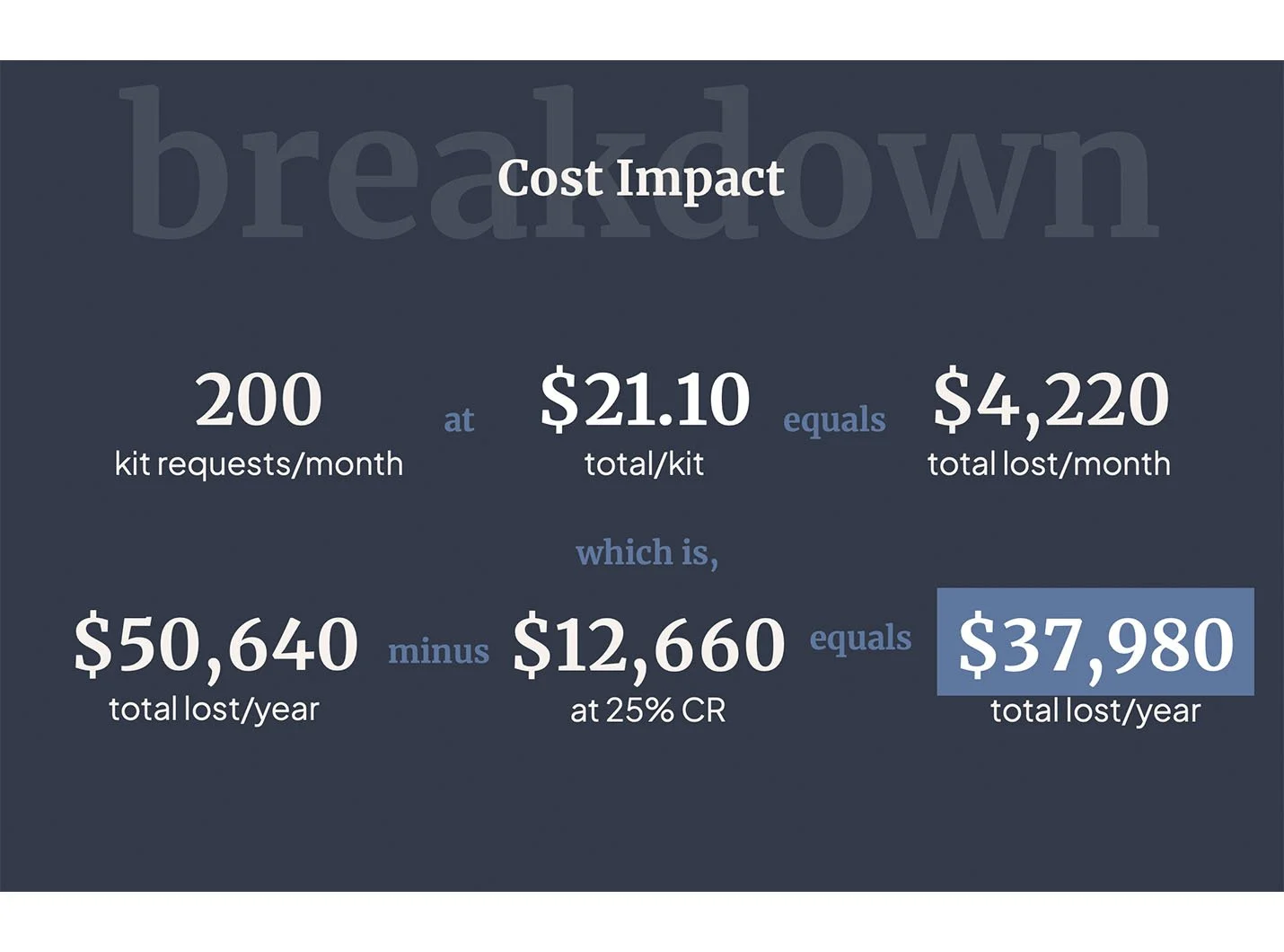
Production and fulfillment costs
Customer barriers after receiving samples
The analysis showed that the primary opportunity was improving conversion after customers received their samples rather than simply reducing the number of kits distributed.
Identifying Customer Barriers
Through research, I identified several reasons customers were not moving forward after receiving samples:
Product quality perceptions
Color expectations not matching reality
Competitors and contractors taking advantage of free samples
The insight was clear: the sample kit needed to do more than provide materials. It needed to communicate quality, build trust, and reinforce why EasyClosets was the right choice.
My Role
I owned the research, strategy, and redesign of the sample kit experience. My responsibilities included:
Salesforce data analysis
Customer journey evaluation
Cost analysis
Experience strategy
Sample request form redesign
Packaging redesign
Collateral design
Cross-functional collaboration
Conversion measurement planning
Redesigning the Experience
I redesigned both the digital and physical sample journey.
Digital Experience
I updated the sample request form experience to better support customer intent and improve the information collected during submission.
Physical Experience
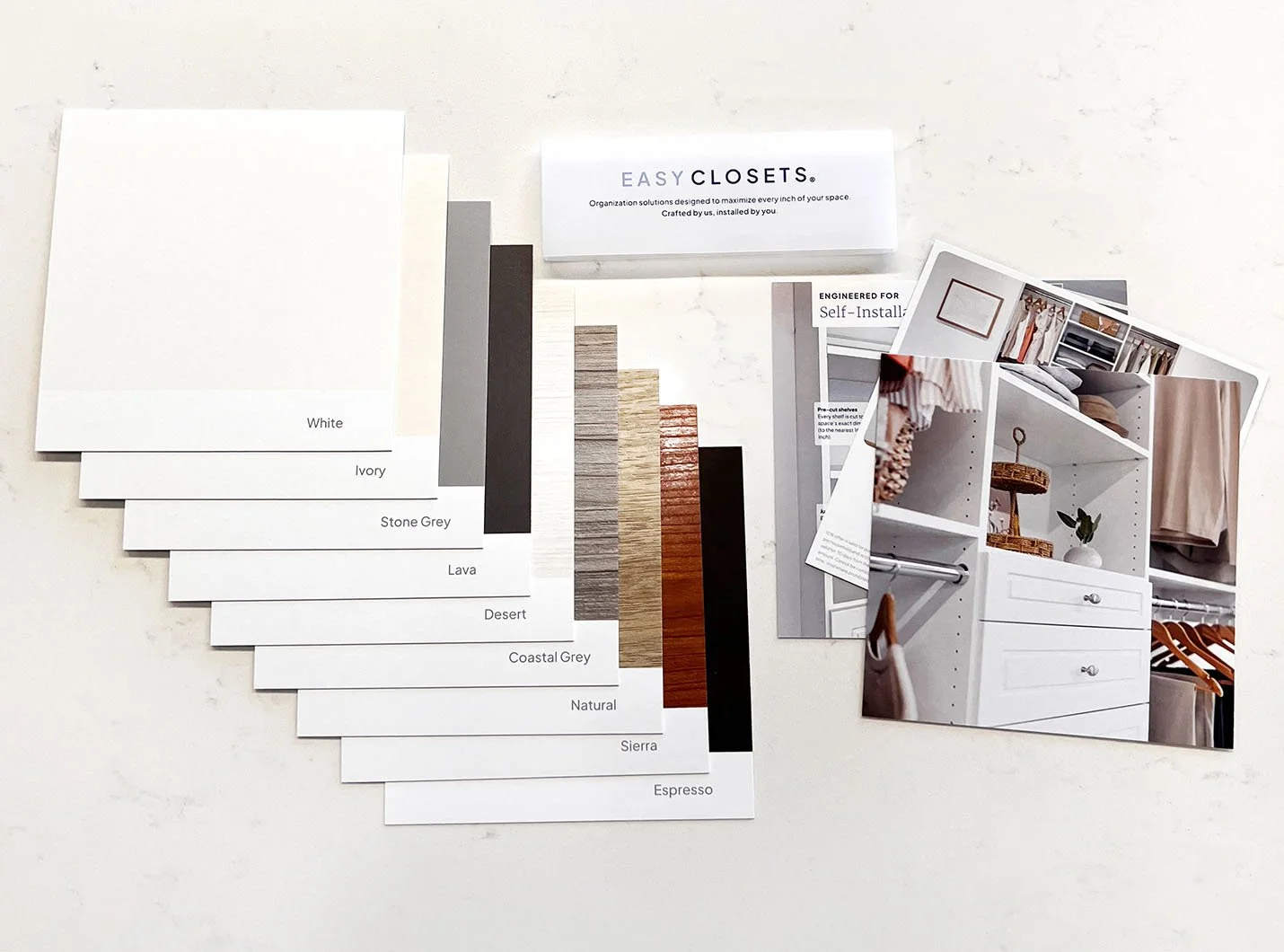
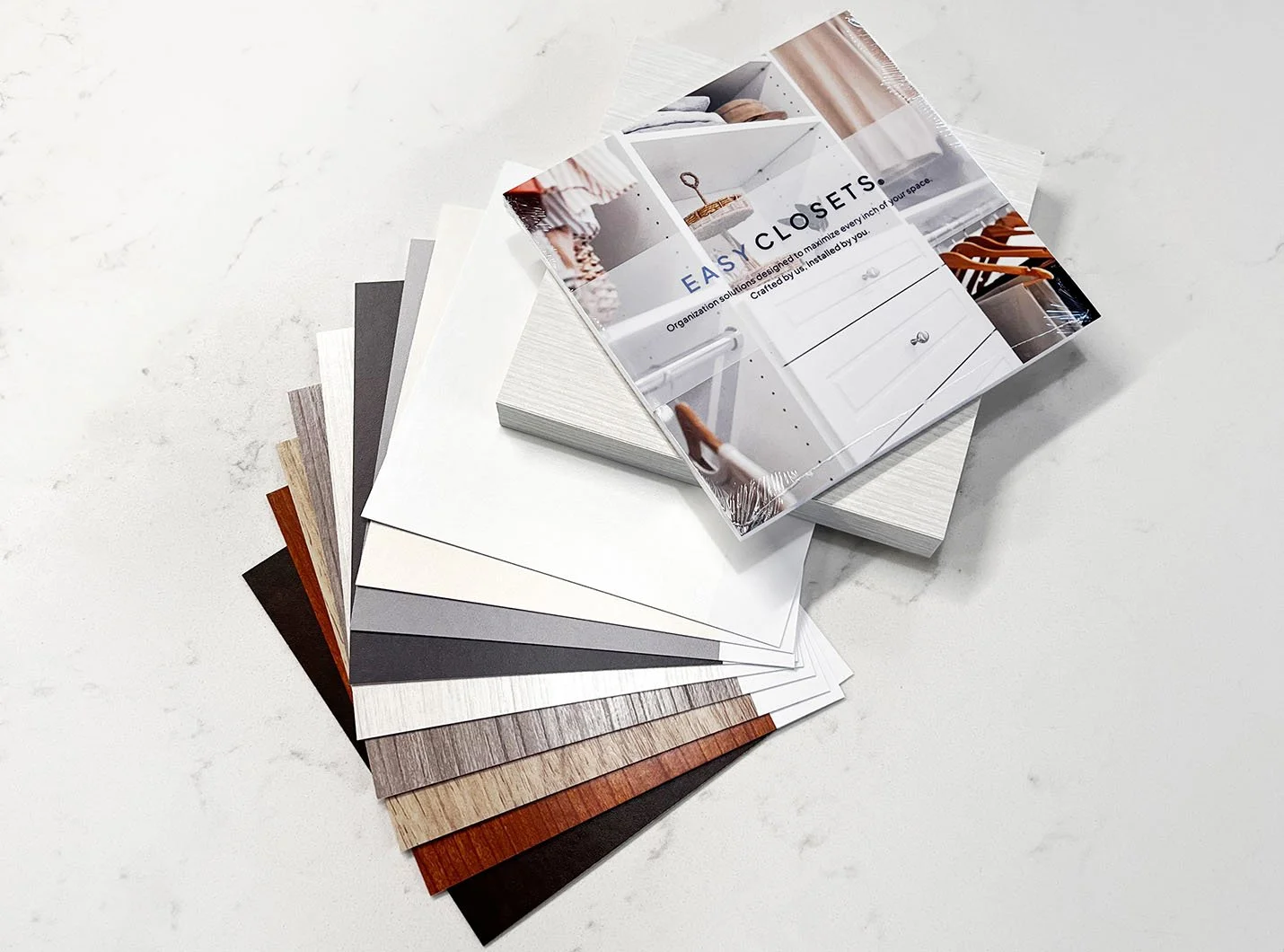
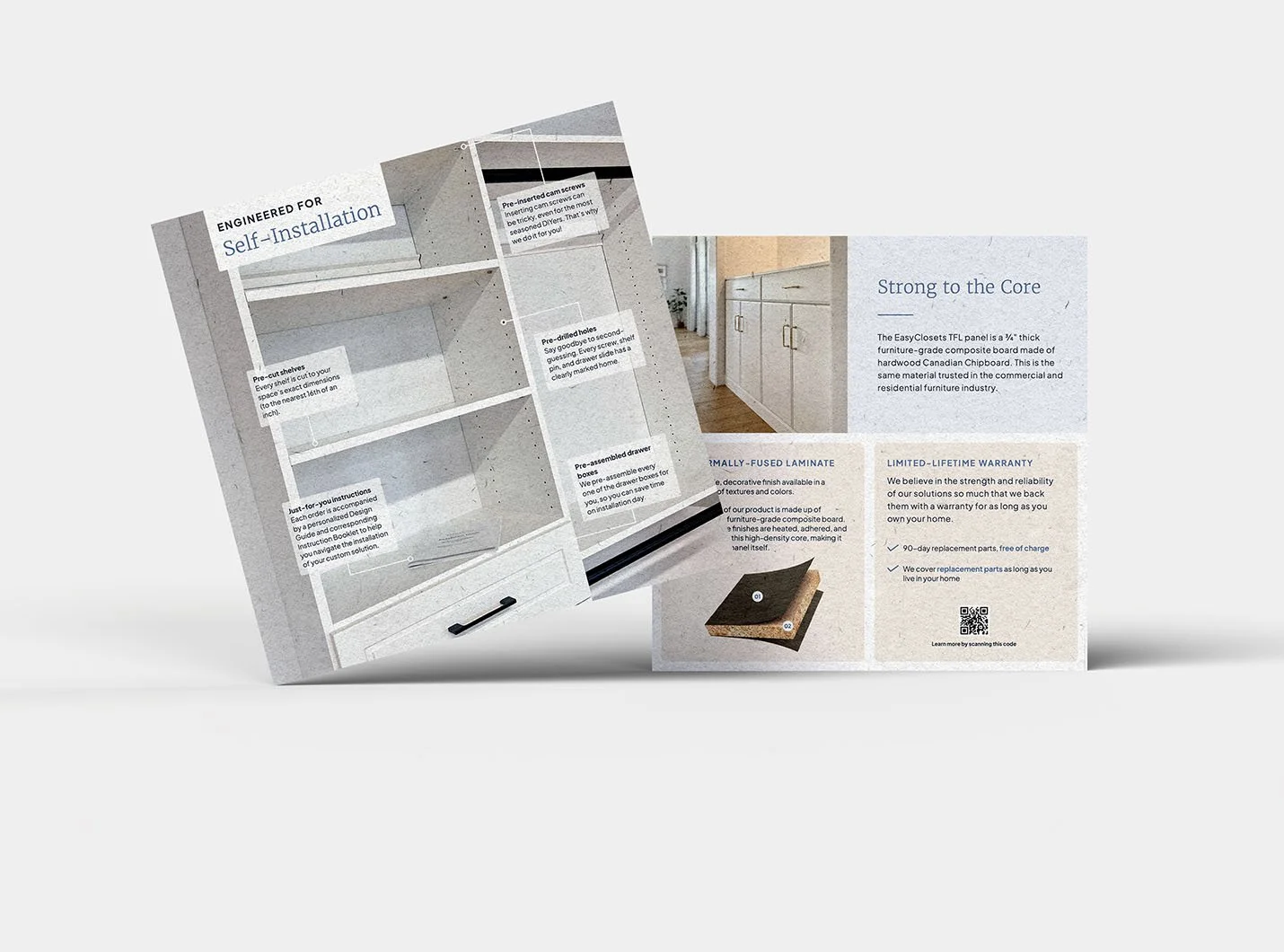
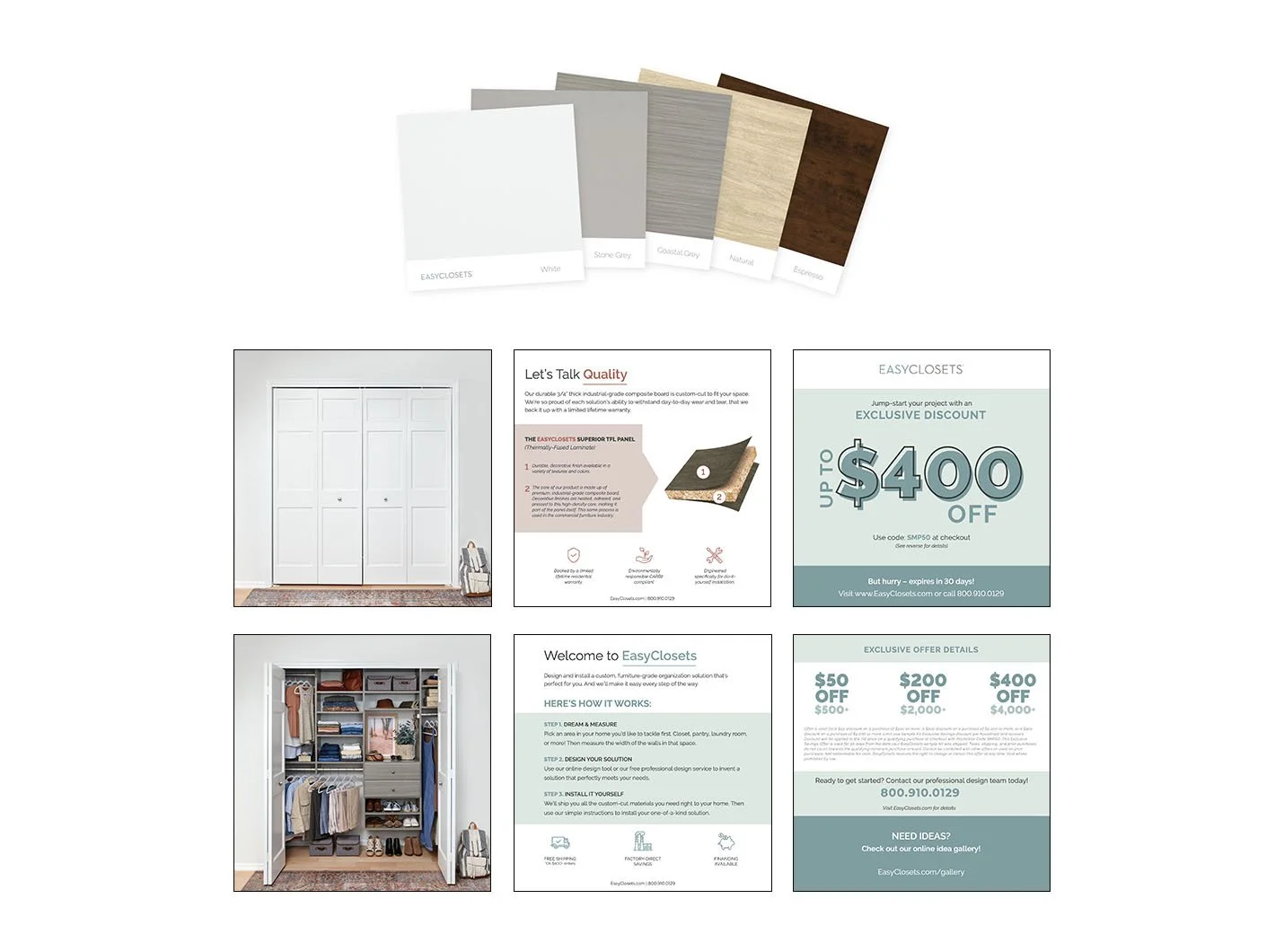
The redesigned kit focused on creating a stronger first impression and reinforcing product quality through:
Improved packaging
Better material presentation
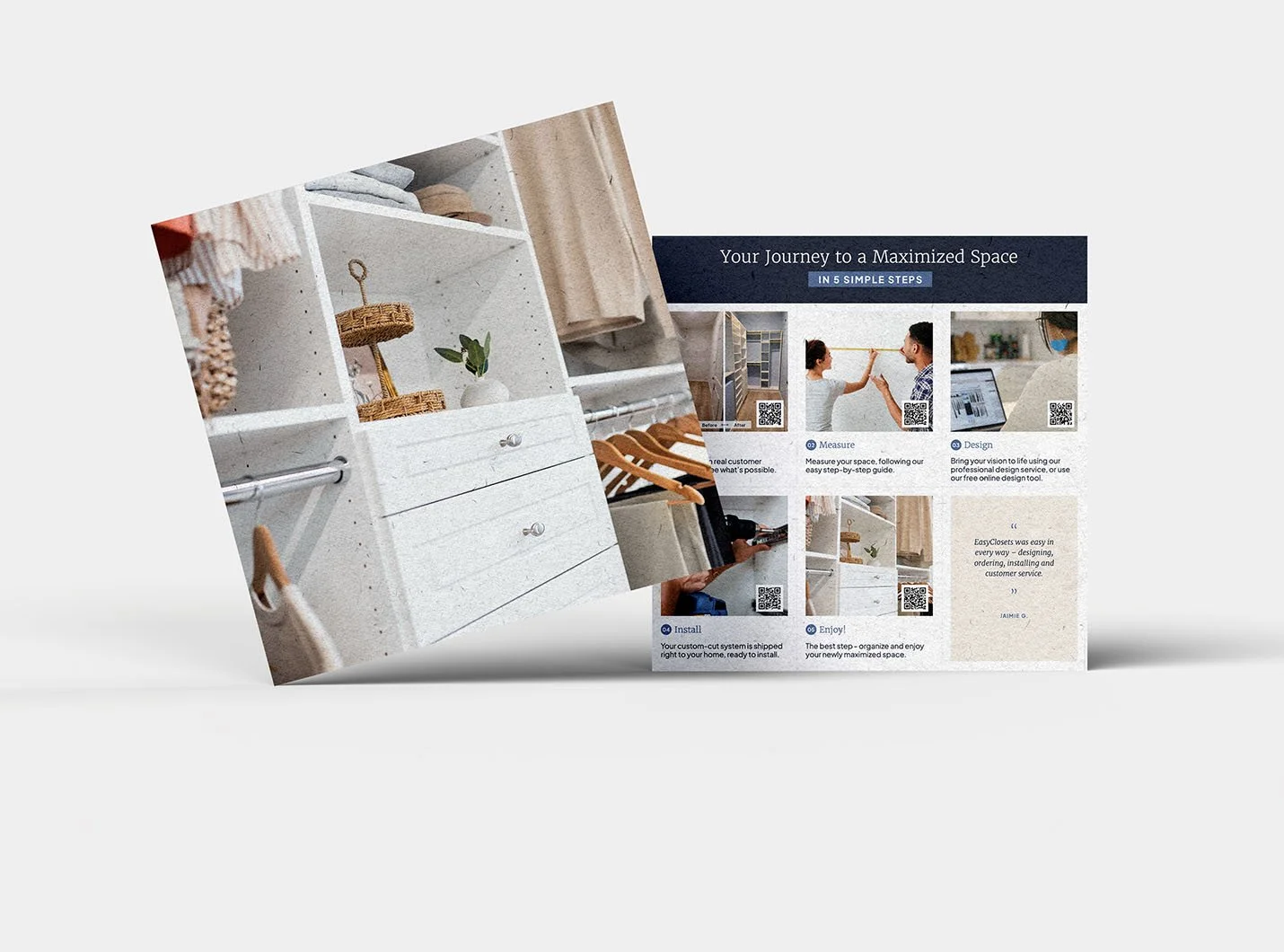
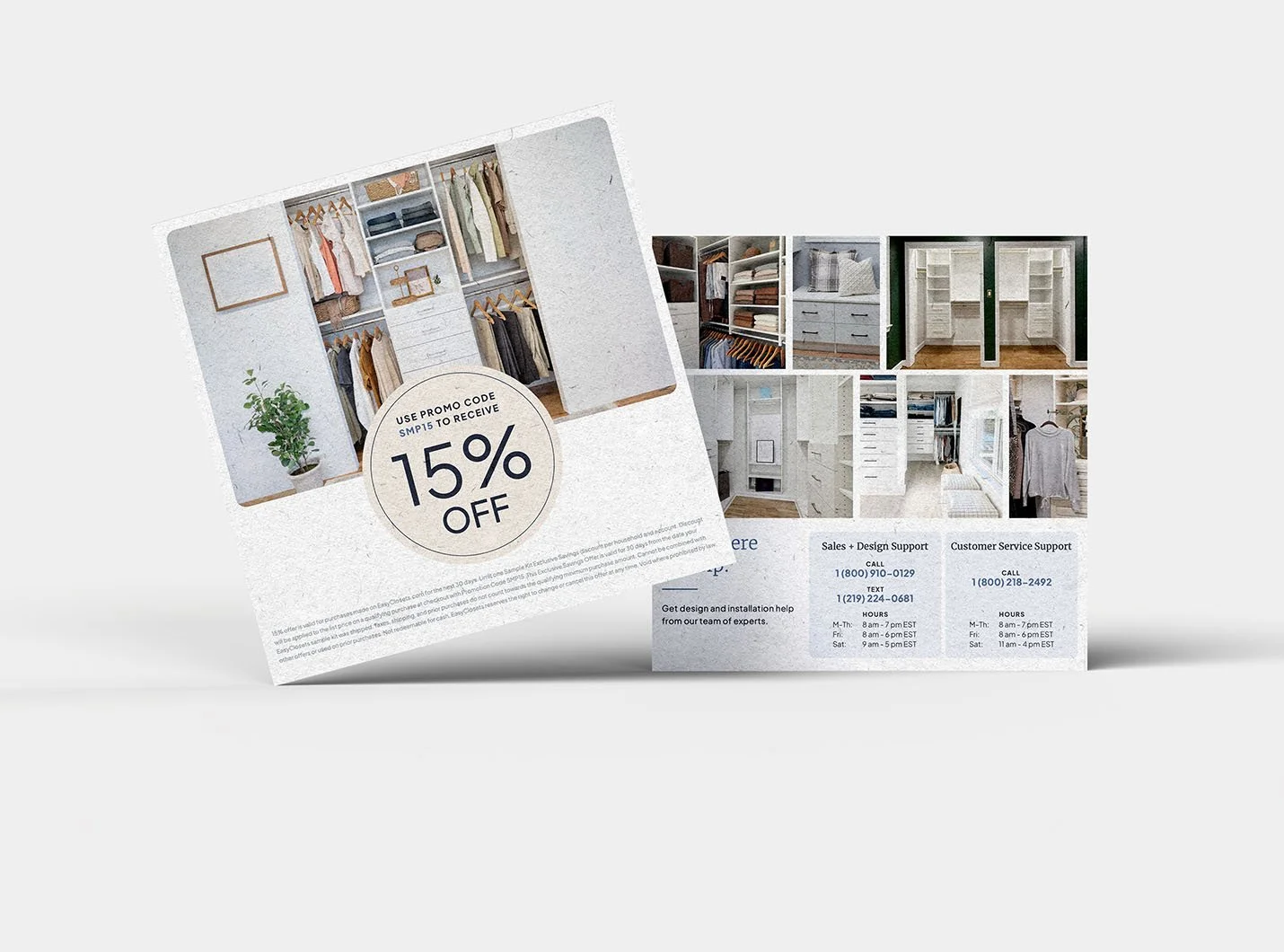
Updated supporting collateral
Clearer product education
The experience was designed to help customers understand not only what they were receiving, but why EasyClosets was the right solution.
Exploring Solutions Through a Product Lens
Before redesigning the experience, I evaluated multiple approaches, including:
Charging a small sample fee
Changing sample selection options
Reducing unnecessary costs
Improving packaging
Updating promotional materials
Adding stronger educational content
This process helped identify the highest-impact opportunities while balancing customer experience and business goals.
Measuring Success
The redesigned experience created a framework for measuring impact through:
Sample-to-purchase conversion rate
Revenue influenced by sample recipients
Cost per acquired customer
Customer engagement with the new experience
Outcome
The EasyClosets Sample Kit evolved from a transactional material request into a strategic customer experience.
By combining customer research, business analysis, and experience design, the project created a stronger connection between product exploration and purchase confidence.
Skills
Product Strategy
Growth Design
Customer Research
Conversion Optimization
Data-Informed Design
UX Design
Form Design
Packaging Design
Experience Design
Cross-functional Collaboration
Figma